Signed in as:
filler@godaddy.com

(August 14, 1860 – October 23, 1946)
Canadian-American Author
From dogs to wolves, squirrels to grizzlies, Ernest Thompson Seton shares his adventures into the wild and his encounters with wild animals.
Ernest Thompson Seton (1860–1946) was a pioneering author, wildlife artist, and conservationist. Best known for co-founding the Boy Scouts of America and his 1898 classic Wild Animals I Have Known, his work fundamentally shifted how the public viewed wildlife and outdoor education.
Core Contributions
Scientific and Later Life
Beyond his youth programs, Seton was a respected scientist. He penned authoritative texts like the four-volume Lives of Game Animals (1925 – 1927), which earned him the prestigious John Burroughs and Elliott Gold Medals. In 1930, he moved to Seton Village in Santa Fe, New Mexico, where he lived until his death, focusing on indigenous lore, environmentalism, and education.
Read more about Ernest Thompson Seton:
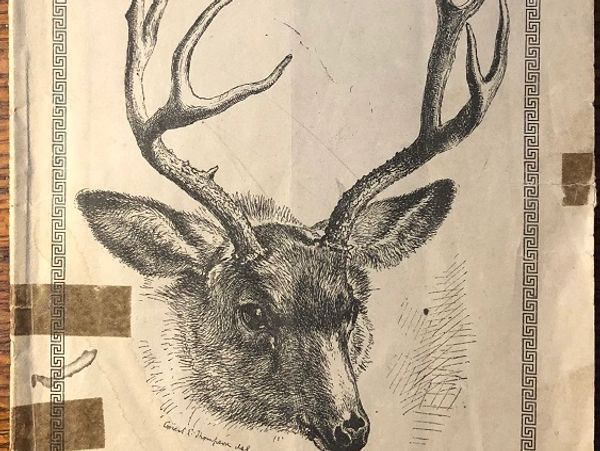
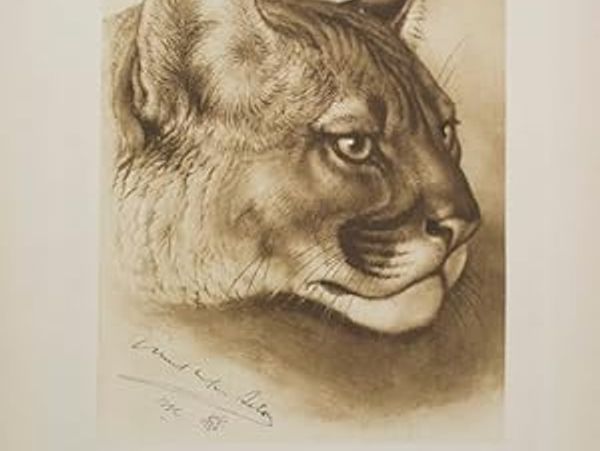
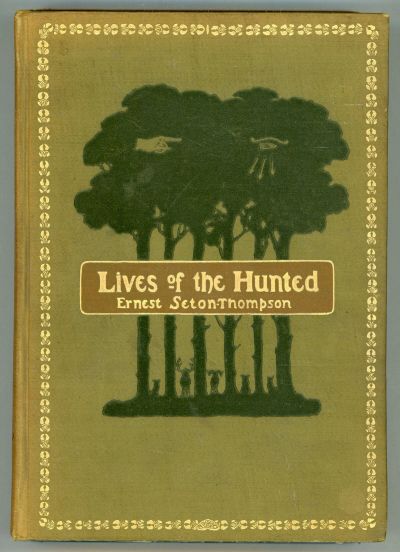
Lives of the Hunted is a 1901 book by naturalist Ernest Thompson Seton, featuring eight true stories of animals (five mammals, three birds) and their struggles for survival, illustrated by the author. It's known for its realistic portrayal of animal life, focusing on individual characters like Krag the Kootenay Ram and Johnny Bear, and aims to foster empathy for animals by showing their personalities and challenges. The book is a classic in animal literature, blending narrative excitement with naturalist insight.
Key aspects of the book:
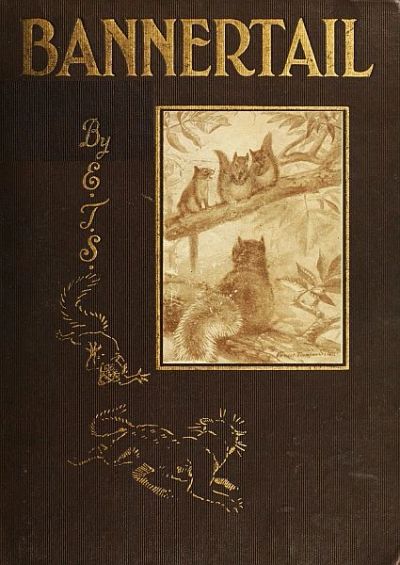
Bannertail: The Story of a Graysquirrel is a 1922 children's novel written and illustrated by naturalist Ernest Thompson Seton. The classic anthropomorphic tale follows an orphaned squirrel raised by a farm cat who must learn to survive in the wild and build his own woodland community.
Core Story and Themes
Legacy and Adaptations

The Biography of a Grizzly, by Ernest Thompson Seton, is a classic 1900 book that tells the life story of a grizzly bear named Wahb, from cubhood to old age, detailing his struggles, triumphs, and survival in the wilderness. It's a work of naturalist fiction that aims to portray the grizzly not as a monster, but as a dignified, feeling creature, blending realistic animal behavior with storytelling to foster understanding and conservation. The narrative follows Wahb as he becomes a powerful, solitary king of his territory, facing hunters, rivals, and the challenges of nature.
Key aspects of the book:
not available
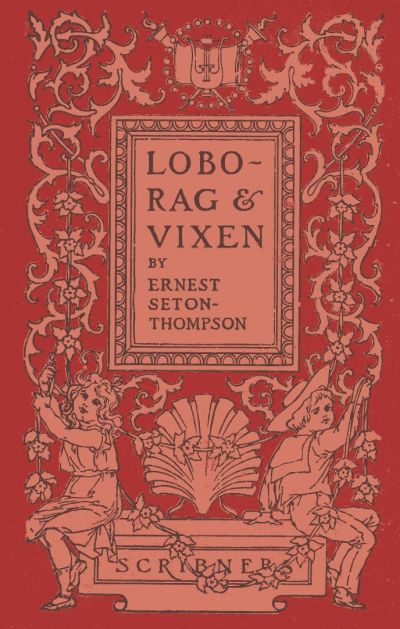
not available
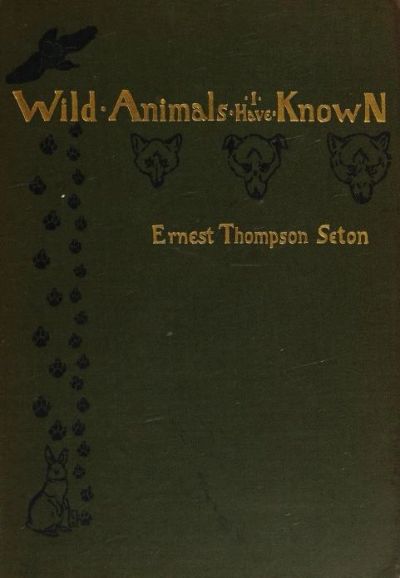
Wild Animals I Have Known is an influential 1898 book by naturalist Ernest Thompson Seton, credited with creating the realistic animal story genre, featuring tales like "Lobo the King of Currumpaw" and "Bingo" that portray wild animals with personality and emotion, based on Seton's observations and experiences, and includes his own illustrations. The book became very popular, though it later sparked the "nature fakers controversy" for its sympathetic, humanistic portrayal of animals.
Key aspects of the book: